

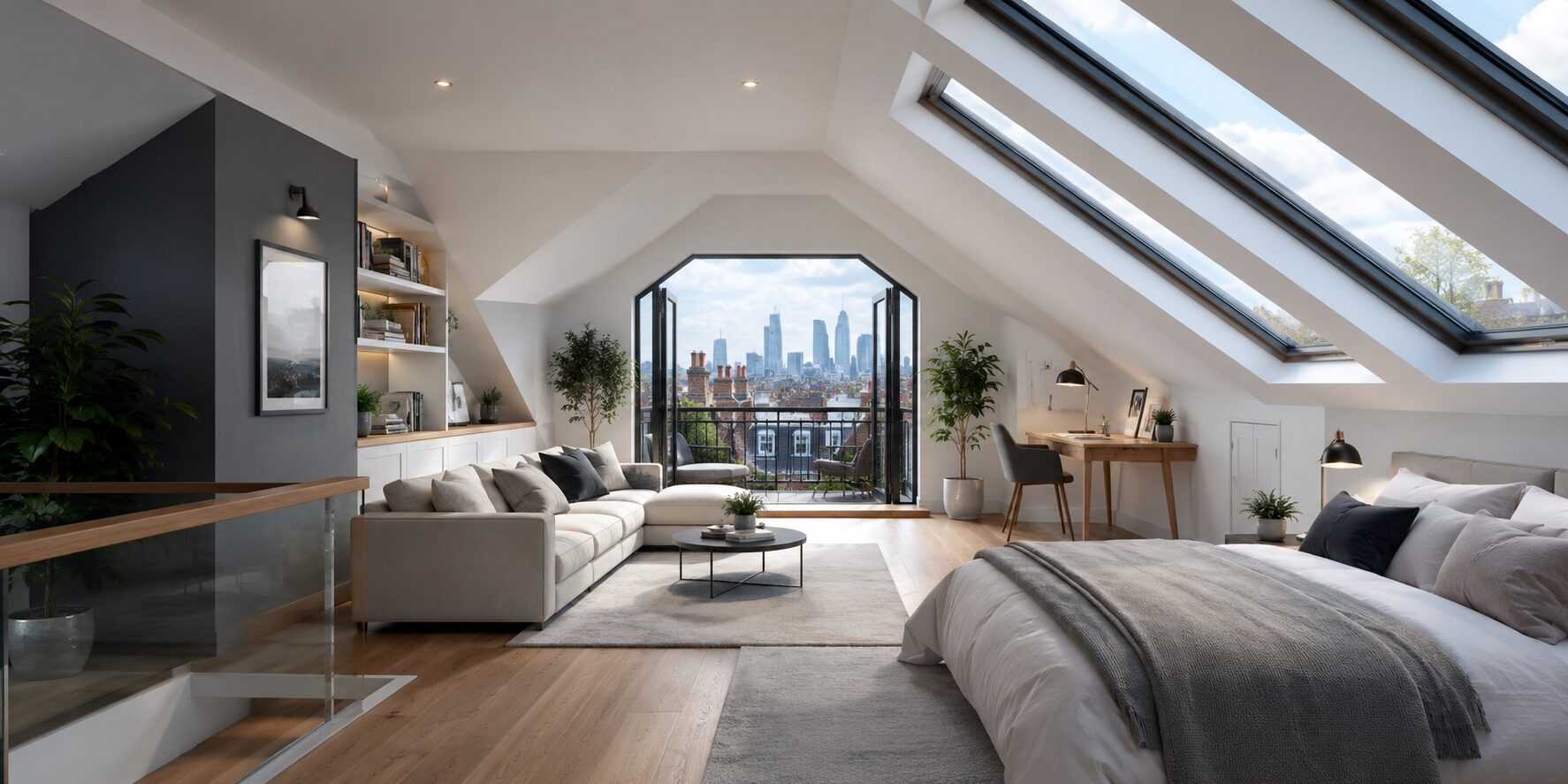
Loft Conversion London for Modern Family Living
Loft Conversion London for Stylish and Practical Modern Family Living
Finding additional living space can be challenging for growing families, especially in busy urban areas. A professionally planned Loft Conversion London offers homeowners a practical way to maximise unused attic space while increasing property value and improving daily comfort. Many families are now choosing loft conversions to create spacious bedrooms, home offices, playrooms, or relaxing living areas without the stress of moving house. With modern construction methods and creative interior planning, loft conversions provide a cost-effective solution for adapting homes to changing lifestyle needs.
At Idea Building, experienced specialists help homeowners transform empty lofts into functional and stylish spaces tailored to modern living. Whether you are considering a contemporary master suite or a multifunctional family room, a carefully designed Loft Conversion London can completely change the way your property works for your household. Homeowners often combine loft projects with services such as Full Renovation, Extensions, and Interior Design to create a seamless and modern home environment. Professional planning also ensures compliance with local building regulations while maintaining the architectural character of the property.
Why Loft Conversions Are Ideal for Modern London Homes
A high-quality Loft Conversion London is ideal for homeowners looking to improve both practicality and aesthetics. Modern loft spaces can include built-in storage, energy-efficient windows, natural lighting, and bespoke layouts designed for family convenience. Services such as Loft Conversions and Kitchen Bathroom Renovation help create a cohesive home upgrade that enhances comfort and functionality. Additional support from Plumbing, Electrical, and Structural Works ensures every aspect of the project is completed to a professional standard.
Families searching for inspiration can explore completed projects through the Portfolio or learn more through the Blog section. To understand the company’s expertise and approach, homeowners can visit the About Us page or contact the team directly through the Contact page. Stay updated with recent projects and design ideas on Instagram and Facebook. A professionally designed Loft Conversion London remains one of the smartest ways to create a modern family living space while improving long-term property value.
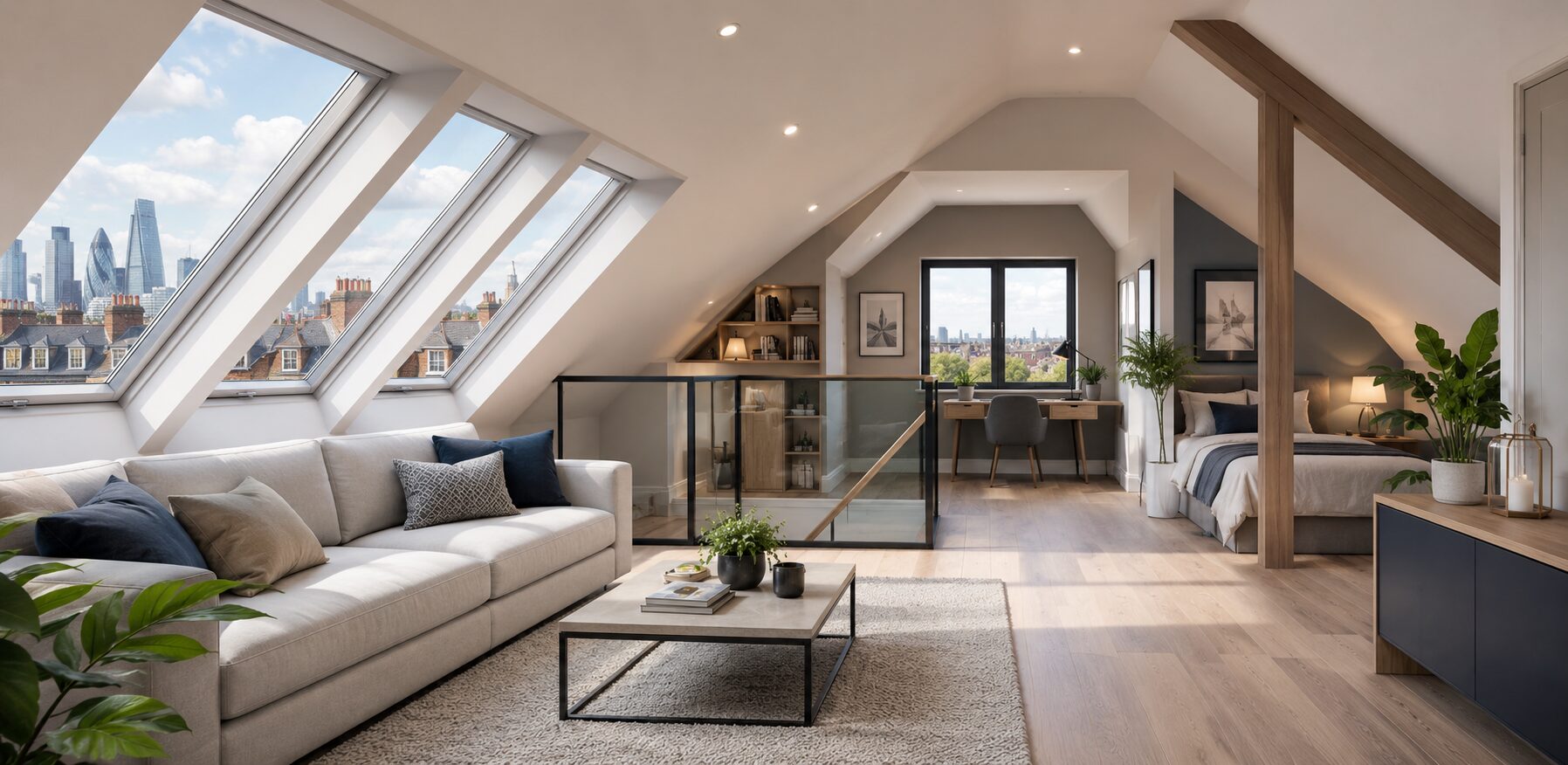
What is a Loft Conversion London, and how does it improve home space?
A Loft Conversion London is the process of transforming an unused attic or roof space into a functional living area, such as an extra bedroom, office, or bathroom. It is one of the most effective ways to maximise space without extending the building footprint. Homeowners in London often choose this solution due to limited land availability and high property prices. A well-planned loft conversion can significantly enhance comfort while improving the practicality of a home. By utilising the existing structure, it reduces the need for major external construction work. Companies like Idea Building specialise in tailored solutions that ensure safety, design quality, and long-term value. Whether for growing families or remote working needs, a loft conversion offers flexibility and smart space optimisation in modern UK homes. It also improves natural light, ventilation, and overall usability of underused attic areas in traditional London properties, making homes more practical and spacious overall.
How a loft conversion improves home space
A loft conversion improves home space by turning unused vertical areas into fully functional rooms without altering the property’s footprint. This is particularly valuable in densely populated areas where outdoor expansion is limited. It allows homeowners to create additional bedrooms, study areas, or even en-suite bathrooms, improving both comfort and property usability. A professionally designed conversion also enhances energy efficiency when insulation and lighting are upgraded during the process. Many homeowners also integrate services such as Loft Conversions and Interior Design to achieve a modern finish. The result is a well-structured living space that blends seamlessly with the rest of the home. It also improves property appeal for future buyers, making it a smart long-term investment for London homeowners seeking both space and functionality in today’s homes.
Why do homeowners prefer a Loft Conversion London over moving house?
A Loft Conversion London is often preferred over moving house because it offers a cost-effective and less disruptive way to gain additional living space. Moving home in London can be expensive due to stamp duty, legal fees, and high property prices. A loft conversion allows homeowners to stay in their existing neighbourhood while still increasing usable space within the property. This is especially beneficial for families who value school catchments, transport links, and community connections. We also provide expert services through services, including full property improvements and structural works. Homeowners can also explore options like Extensions or full renovation solutions to achieve their ideal home layout. Companies such as Idea Building also support tailored design and build services for modern London homes. Follow updates on Instagram and Facebook for inspiration and project insights. This ensures informed decisions and better renovation planning outcomes for homeowners today.
Why moving house is less practical in London
Families also face challenges such as school changes, commuting adjustments, and disruption to daily routines. By choosing a loft conversion instead, homeowners can avoid these difficulties while gaining valuable additional space. This makes it a more stable and long-term solution for property improvement. Many homeowners rely on Full Renovation and Kitchen and Bathroom Renovation services to further enhance their homes. Additional structural and technical support, such as Plumbing, Electrical, and Structural Works, ensures safety and compliance. Homeowners can review completed projects in the Portfolio section to understand design quality and execution standards. They can also visit the Contact page for personalised consultation and planning advice.
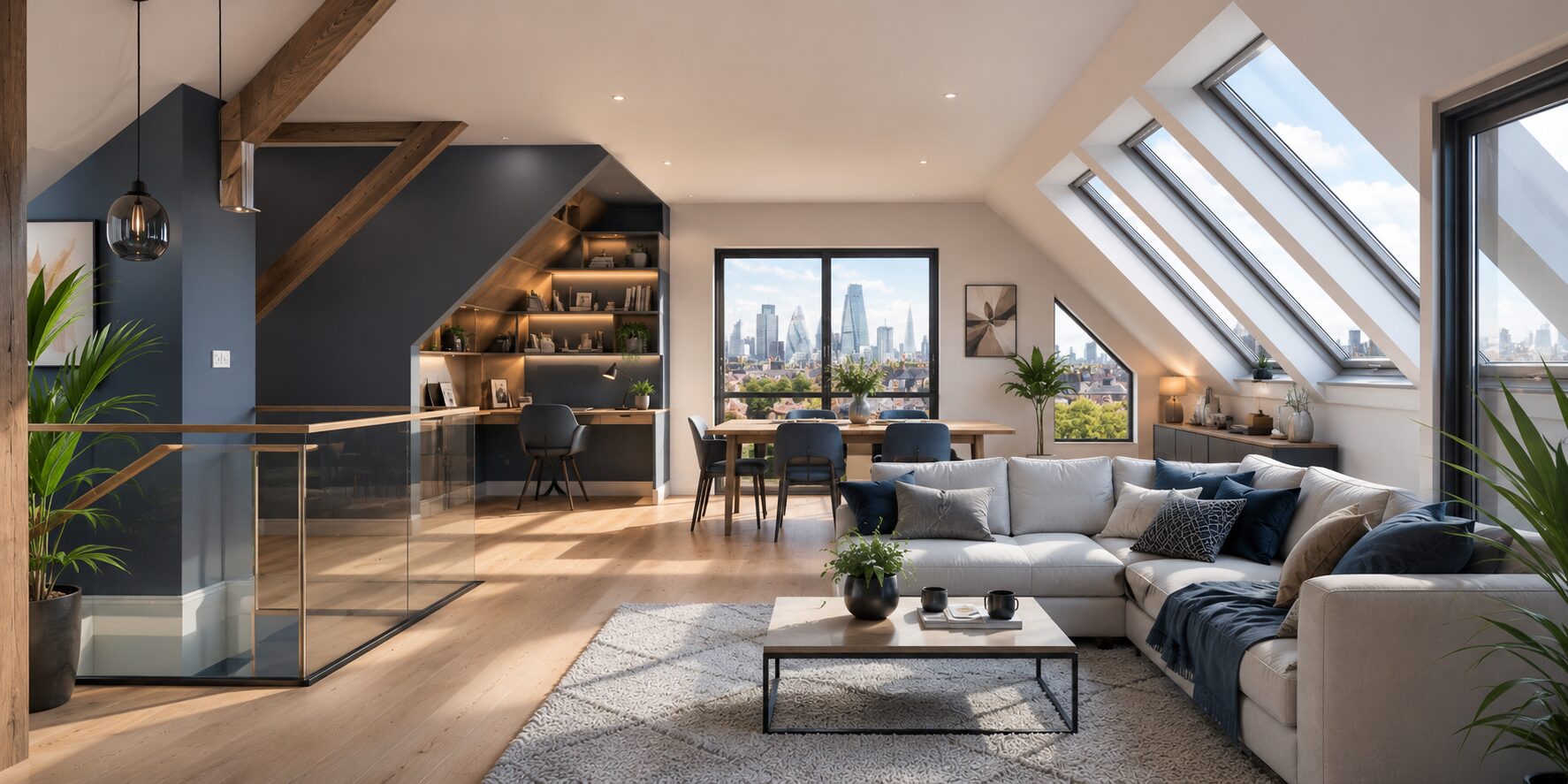
How much value can a Loft Conversion London add to a property?
A Loft Conversion London can significantly increase a property’s market value, often making it one of the most profitable home improvements available to UK homeowners. In many cases, a well-designed loft conversion can add around 15% to 25% to the overall property value, depending on location, build quality, and the type of space created. This makes it especially attractive in London, where property prices are already high, and space is limited. By adding an extra bedroom with an en-suite or a modern home office, the property becomes more appealing to potential buyers. Many homeowners choose trusted specialists like Idea Building to ensure high-quality design and construction standards. The return on investment is not only financial but also functional, as families gain more usable space without relocating.
Factors that influence property value increase
Properties in prime London areas typically see higher percentage increases due to demand for additional bedrooms. High-end finishes and integrated storage solutions also play a major role in boosting appeal. Incorporating services like Loft Conversions and Interior Design ensures the space is both functional and visually appealing. Structural quality and compliance with building regulations further impact long-term value. Homeowners often enhance overall property performance through additional upgrades such as Full Renovation or Extensions. Buyers are more likely to invest in homes that are move-in ready with modern layouts and efficient use of space. Reviewing completed projects on the Portfolio page can help homeowners understand expected outcomes and quality standards before starting their own renovation journey.
Is planning permission required for a Loft Conversion London?
In many cases, a Loft Conversion London does not require full planning permission, as it can fall under permitted development rights. However, this depends on the type of property, the extent of the changes, and whether the building is in a conservation area or is a listed property. Most standard loft conversions can proceed with building regulations approval rather than full planning permission. These regulations ensure that the structure is safe, properly insulated, and compliant with fire safety standards. Homeowners often consult professionals such as Idea Building to confirm legal requirements before starting a project. This helps avoid delays and ensures smooth approval processes. In some cases, if the roof structure is significantly altered or extended, planning permission may be required. Understanding local council rules is essential before beginning any construction work.
When planning permission becomes necessary.
Planning permission is typically required when a loft conversion involves major structural changes that exceed permitted development limits. This includes extending the roof height, adding dormer structures on prominent elevations, or significantly altering the external appearance of the property. Homes in conservation areas or listed buildings almost always require formal approval before work begins. In such cases, working with experienced professionals is essential to navigate regulations effectively. Services like Services, Plumbing, Electrical, and Structural Works help ensure technical compliance during construction. Homeowners can also explore About Us to understand expertise and industry experience. Additionally, reviewing the Blog provides helpful insights into renovation planning and legal requirements. Early consultation and proper design planning reduce risks of rejection and ensure smoother project completion while maintaining full compliance with UK building standards and regulations today.
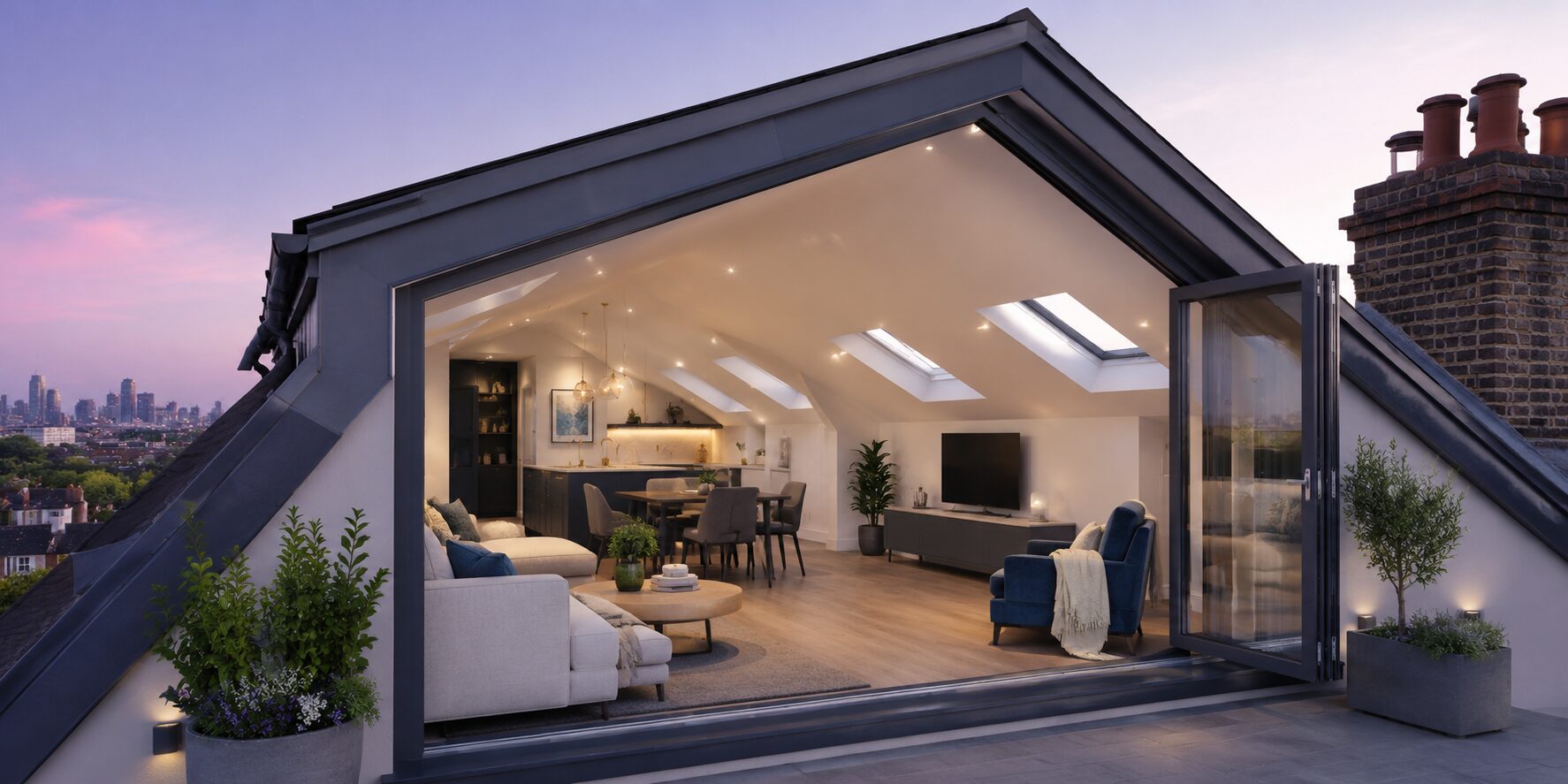
What types of homes are suitable for a Loft Conversion London?
A Loft Conversion London is suitable for a wide range of property types, making it one of the most flexible home improvement options available. Professional assessment from experts like Idea Building ensures suitability before construction begins. Homeowners often combine services such as Loft Conversions and Extensions to maximise usable space. With proper planning, even smaller homes can benefit from creative design solutions that transform unused attic areas into valuable living environments tailored to modern family needs.
Structural considerations for suitability
The suitability of a home for a loft conversion depends heavily on its structural layout and roof design. Internal support walls, roof trusses, and chimney positions also influence design possibilities. Homes must meet safety requirements to ensure the new space is structurally sound and compliant with building regulations. Professional services such as Full Renovation and Kitchen and Bathroom Renovation help integrate loft spaces seamlessly into existing layouts. Additional upgrades like Interior Design, ensure functionality and aesthetic appeal. Homeowners can also view completed transformations on the Portfolio page to understand design potential. Early structural surveys and expert consultation are essential to determine feasibility and ensure the loft conversion delivers safe, practical, and long-lasting living space improvements.
How long does a typical Loft Conversion London take to complete?
A Loft Conversion London usually takes between 6 and 10 weeks to complete for a standard project, although the exact timeline depends on the complexity of the design, property type, and any structural alterations required. Simple conversions, such as roof light or Velux-style lofts, are generally quicker, while dormer or mansard conversions can take longer due to additional construction work. The process typically begins with design planning and approvals, followed by structural work, insulation, roofing, electrics, plumbing, and final interior finishing. Working with experienced professionals such as Idea Building helps ensure the project runs efficiently and stays on schedule. Delays can sometimes occur due to weather conditions, material availability, or planning requirements, but proper project management reduces these risks. Homeowners can also explore services like Loft Conversions to understand the full process. Overall, a well-managed loft conversion offers a relatively quick transformation compared to moving house or building extensions.
Key stages that affect project duration
Several stages influence how long a loft conversion takes, including structural reinforcement, roof alterations, and interior finishing. Each stage must be completed in sequence to ensure safety and compliance with UK building regulations. Electrical wiring, plumbing installations, and insulation work also require careful coordination between trades. More complex projects involving services such as Plumbing Electrical Structural Works may extend timelines slightly. Additional design enhancements, like Interior Design, can also add refinement time but significantly improve the outcome. Homeowners often combine upgrades with Full Renovation or Extensions to achieve a complete home transformation. Reviewing previous projects in the Portfolio section can help set realistic expectations for timelines. Proper planning and expert execution ensure a smooth process with minimal disruption to daily life while delivering high-quality living space improvements.
What are the most popular designs for a Loft Conversion London?
The most popular Loft Conversion London designs include Velux (roof light), dormer, hip-to-gable, and mansard conversions. Each design offers different levels of space expansion and architectural change depending on the property structure. Velux conversions are the simplest and most cost-effective, as they involve installing roof windows without altering the roof shape. Dormer conversions are highly popular in London because they extend outward, creating additional headroom and usable floor space. Hip-to-gable designs are ideal for semi-detached or end-terrace homes, while mansard conversions provide maximum space by altering the entire roof structure. Homeowners often rely on experts like Idea Building to choose the right design based on budget and property suitability. Services such as Loft Conversions ensure each design is tailored for both functionality and style. These designs not only improve living space but also enhance property aesthetics and long-term market value across London homes.
Choosing the right loft conversion style
Selecting the right loft conversion style depends on roof structure, planning permissions, and desired usage. Structural feasibility plays a key role, making professional assessment essential before starting. Homeowners frequently combine design planning with services like Extensions and Interior Design for a cohesive finish. Additional upgrades, such as Kitchen and Bathroom Renovation, can further enhance functionality. Inspiration from the Blog and completed work in the Portfolio helps homeowners visualise possibilities. Proper planning ensures the chosen design maximises space, comfort, and long-term investment value while aligning with London property standards and lifestyle needs.
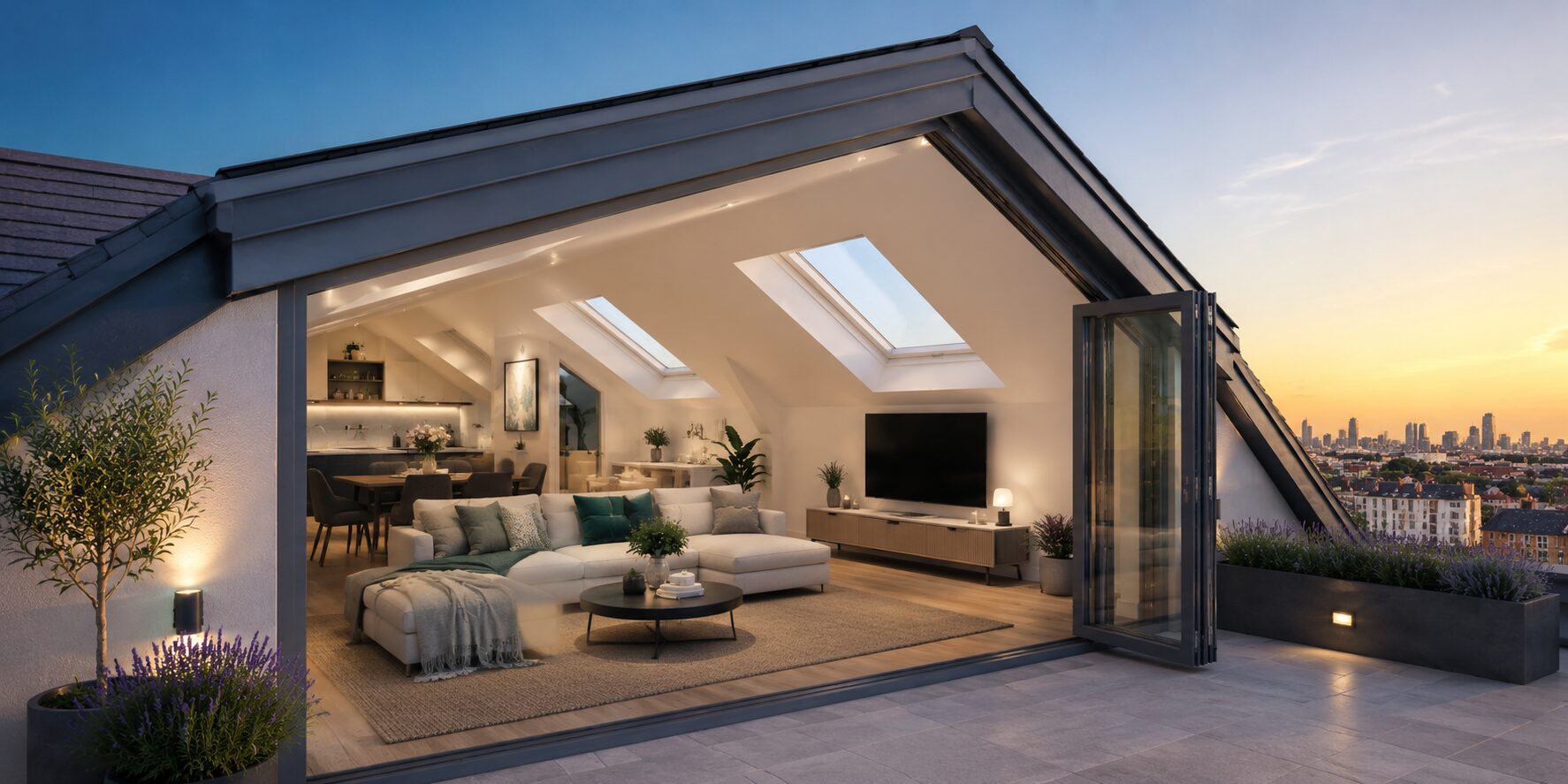
Can a Loft Conversion London be used as a bedroom or office?
In fact, these are two of the most popular uses for converted loft spaces in London properties. A loft bedroom is ideal for growing families or guests, often including en-suite bathrooms and storage solutions for added convenience. On the other hand, a loft office provides a quiet and private workspace, which has become increasingly important with the rise of remote working. Professional builders like Idea Building ensure that loft spaces are designed with proper insulation, lighting, and ventilation to make them comfortable year-round. Homeowners can explore tailored options through Loft Conversions for both residential and working purposes. A well-designed loft not only improves lifestyle flexibility but also enhances the overall functionality and value of the property.
Designing a functional bedroom or office space
Creating a functional loft bedroom or office requires careful planning of layout, lighting, and storage. Built-in storage solutions help maximise floor area while maintaining a clean design. For office setups, ergonomic design and sound insulation are important for productivity and comfort. Homeowners often integrate services such as Interior Design and Full Renovation to achieve a seamless finish. Additional technical support, like Plumbing, Electrical, and Structural Works, ensures full functionality and safety. Inspiration from the Portfolio helps homeowners visualise real-life transformations. With proper planning and expert execution, a loft conversion can become a highly practical and stylish extension of any London home.
What is the average cost of a Loft Conversion London project?
The average cost of a Loft Conversion London typically ranges from £35,000 to £80,000, depending on the type of conversion, property size, and level of finish required. More basic Velux loft conversions sit at the lower end of the scale, while dormer, hip-to-gable, and mansard conversions can reach higher budgets due to structural changes and increased materials. High-end bespoke designs with en-suite bathrooms, premium finishes, and custom storage solutions may exceed this range in some London properties. Costs are also influenced by factors such as planning requirements, insulation upgrades, plumbing work, and electrical installations. Working with experienced specialists like Idea Building helps ensure accurate budgeting and transparent pricing from the start. Homeowners can explore tailored solutions through Loft Conversions to better understand cost variations. A well-planned loft conversion is often more cost-effective than moving house, especially in the London property market.
Key factors that affect loft conversion cost
Several factors influence the final cost of a loft conversion, including structural complexity, roof type, and required approvals. Properties needing significant reinforcement or roof alterations will naturally incur higher expenses. Interior finishes such as flooring, lighting, and fitted storage also impact the overall budget. Additional services like Plumbing, Electrical, and Structural Works can increase costs but ensure safety and compliance. Design enhancements through Interior Design can also influence pricing depending on the specification level. Many homeowners combine upgrades with Full Renovation or Extensions for a complete home transformation. Reviewing previous work in the Portfolio section helps set realistic expectations. Proper planning and professional execution ensure the investment delivers long-term value, improved living space, and strong return on property value in London’s competitive housing market.
How can I maximise natural light in a Loft Conversion London?
Maximising natural light in a Loft Conversion London is essential for creating a bright, spacious, and comfortable living environment. One of the most effective methods is installing roof windows or skylights, which allow daylight to flood directly into the space. Dormer windows are also popular as they increase both headroom and light levels. Light-coloured walls, ceilings, and flooring further enhance brightness by reflecting natural light around the room. Homeowners often rely on experts like Idea Building to design layouts that maximise daylight efficiency. Professional services such as Loft Conversions ensure both structural and aesthetic considerations are balanced. A well-lit loft not only improves daily comfort but also increases property appeal and perceived space in London homes.
Design strategies for brighter loft spaces
Effective lighting design combines architectural planning with interior choices to enhance natural illumination. Strategic placement of skylights on south-facing roof sections can significantly increase sunlight exposure. Using glass balustrades, open layouts, and light-toned finishes also helps distribute light evenly across the room. Incorporating reflective surfaces and minimalist design elements further enhances brightness. Homeowners often integrate services such as Interior Design and Full Renovation to achieve optimal results. Additional technical support, like Plumbing, Electrical, and Structural Works, ensures proper installation of lighting systems and window structures. Inspiration from the Blog and completed projects in the Portfolio can help homeowners visualise design possibilities. A carefully planned loft conversion can transform even small attic spaces into bright, airy, and highly functional rooms suited for modern living.
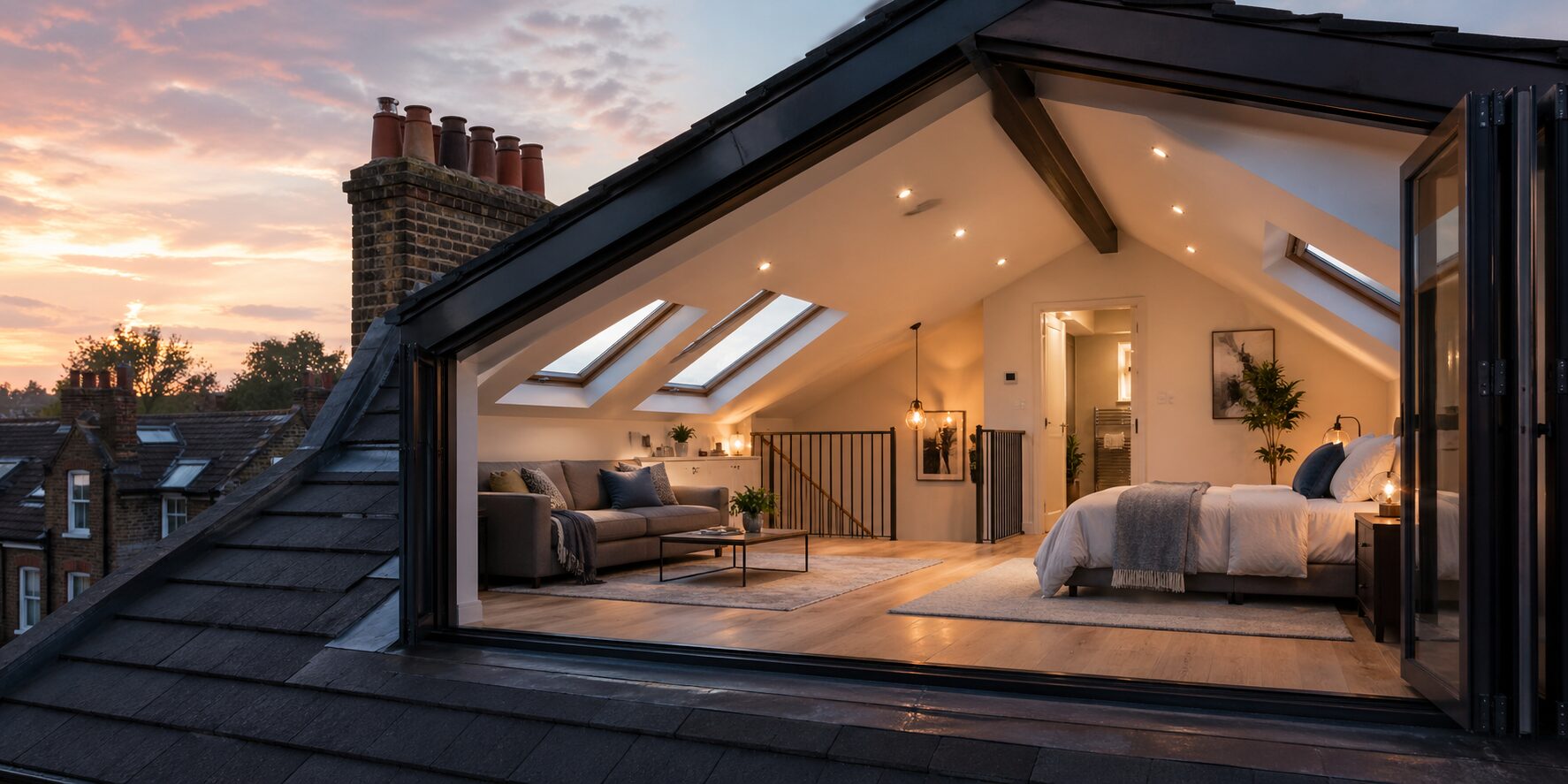
Do I need structural changes for a Loft Conversion London?
This may include installing steel beams, strengthening floor joists, or altering roof timbers to create usable head height and space. Even in simpler conversions like Velux lofts, structural adjustments are usually required to meet UK building regulations. Professional companies such as Idea Building assess the property first to determine exactly what changes are necessary before work begins. Services like Loft Conversions ensure all structural requirements are properly handled from design to completion. The goal is to create a safe, stable, and long-lasting living space without compromising the integrity of the original building.
Common structural works involved in loft conversions
Typical structural changes include reinforcing floor joists to handle additional load and installing steel support beams to maintain roof stability. Staircase integration also requires structural planning to ensure safe access between floors. Additional services such as Plumbing, Electrical, and Structural Works are essential for ensuring all systems are safely installed. Homeowners often combine this with Full Renovation or Extensions for a complete transformation. Reviewing completed work in the Portfolio section helps illustrate how structural upgrades are seamlessly integrated into modern designs. Proper engineering ensures the loft is not only functional but also fully compliant with UK building standards and safe for long-term residential use.
What are the different types of Loft Conversion London options available?
There are several types of Loft Conversion London options available, each designed to suit different property styles, roof structures, and budgets. The most common types include Velux (roof light), dormer, hip-to-gable, and mansard conversions. Velux conversions are the simplest and least disruptive, as they involve installing skylight windows without altering the roof shape. Dormer conversions extend outward from the roof, creating additional headroom and floor space, making them one of the most popular choices in London. Hip-to-gable conversions are ideal for semi-detached or end-terrace homes, as they extend the sloping side of the roof into a vertical wall. Mansard conversions offer the most significant space increase by restructuring the entire roof slope. Professional builders like Idea Building help homeowners choose the right option based on property layout and goals. Services such as Loft Conversions ensure each design is tailored for maximum efficiency and comfort.
Choosing the right loft conversion type for your home
Selecting the right loft conversion depends on factors such as roof height, property type, planning permission, and intended use. Velux conversions are suitable for homes with sufficient existing headroom, while dormer conversions are ideal for maximising usable space without full roof restructuring. Homeowners often combine these solutions with services like Interior Design and Full Renovation to achieve a cohesive finish. Additional upgrades, such as Kitchen and Bathroom Renovation, can further enhance functionality. Inspiration from the Blog and Portfolio helps homeowners understand design possibilities. With the right planning, any loft type can be transformed into a stylish and practical living space.
Can I add an en-suite in a Loft Conversion London?
Yes, adding an en-suite bathroom is a very common and highly desirable feature in a Loft Conversion London. In fact, many homeowners choose to include an en-suite to increase comfort, privacy, and property value. A loft en-suite typically includes a shower, toilet, and basin, carefully designed to fit within the available space without compromising usability. Experienced companies like Idea Building plan the layout carefully to maximise both space and functionality. Services such as Loft Conversions ensure that bathroom installations are seamlessly integrated into the overall design. Adding an en-suite not only improves daily convenience but also significantly increases the appeal of the property in the competitive London housing market.
Design considerations for loft en-suites
Designing a loft en-suite requires careful planning of space, ventilation, and plumbing routes. Proper waterproofing and ventilation systems are essential to prevent moisture buildup and ensure long-term durability. Lighting and mirrors also play a key role in making the space feel larger and brighter. Homeowners often combine this with services like Plumbing, Electrical, and Structural Works and Interior Design for a fully integrated finish. Additional improvements through Full Renovation ensure consistency across the entire home. Inspiration from the Portfolio section helps homeowners visualise realistic layouts and design ideas. When properly planned and executed, a loft en-suite transforms the space into a fully self-contained, comfortable, and modern living area.
Is a Loft Conversion London suitable for small houses?
Yes, a Loft Conversion London can be suitable for small houses, but it depends on the existing roof structure, available head height, and overall layout of the property. In many small terraced or semi-detached houses, creative design solutions such as dormer extensions can significantly improve usable floor area. Professional assessment from experts like Idea Building is essential before starting any work. Services like Loft Conversions help determine feasibility and design the best layout for smaller properties. Even in limited spaces, loft conversions can create functional bedrooms, offices, or storage areas without changing the building footprint.
Making the most of limited space in small homes
In small houses, smart design is crucial to maximise every inch of available loft space. Built-in storage, compact staircases, and efficient layouts help ensure the area remains practical and uncluttered. Dormer conversions are particularly effective as they increase both headroom and floor space without requiring major structural expansion. Homeowners often combine services like Interior Design and Full Renovation to optimise functionality. Inspiration from the Blog and real projects in the Portfolio can help homeowners visualise what is possible even in compact properties.
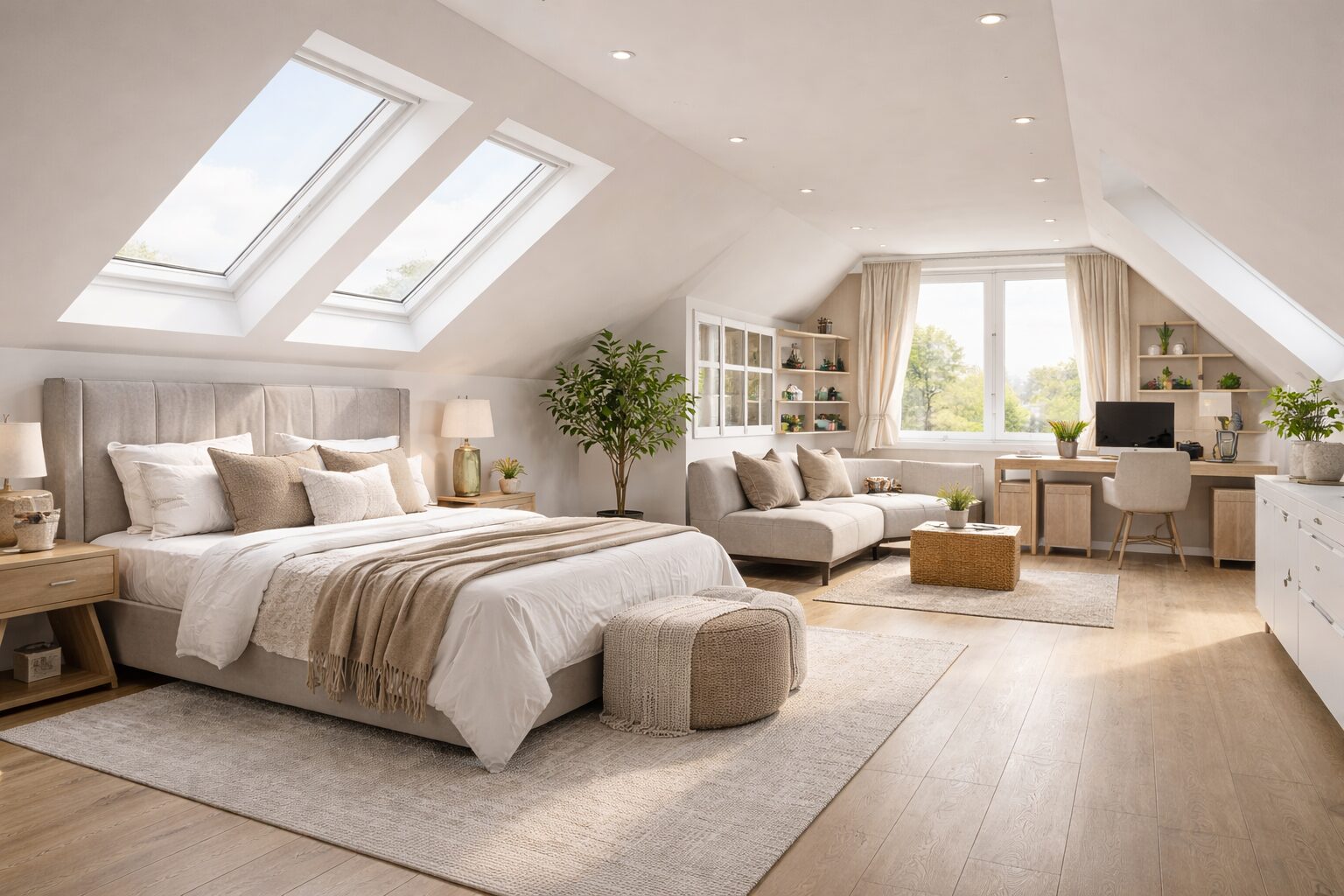
How does insulation work in a Loft Conversion London?
Insulation in a Loft Conversion London plays a vital role in maintaining energy efficiency, comfort, and compliance with UK building regulations. It works by reducing heat loss in winter and preventing excessive heat gain in summer, ensuring the loft space remains usable all year round. The most common insulation methods include roof insulation, floor insulation, and wall insulation, depending on the design of the conversion. Proper insulation also helps reduce energy bills and improves the overall sustainability of the home. Experienced professionals like Idea Building ensure insulation is installed correctly and meets all regulatory requirements. Services such as loft conversions ensure insulation is integrated into the design from the early planning stage for maximum efficiency and performance.
Types and benefits of loft insulation
Floor insulation helps reduce noise transfer and heat loss between levels. Proper ventilation is also essential to prevent condensation and moisture buildup, which can affect structural integrity over time. Homeowners often combine insulation work with services like Plumbing, Electrical, and Structural Works and Full Renovation to ensure a fully integrated approach. Additional design improvements through Interior Design help balance insulation with aesthetics. Properly installed insulation not only improves comfort but also increases property value and ensures long-term energy savings for London homeowners.
What are the safety requirements for a Loft Conversion London?
These regulations cover fire safety, structural stability, ventilation, and safe access. One of the most important requirements is the installation of a compliant staircase that provides safe and easy access between floors. Fire safety measures, such as smoke alarms, fire-resistant doors, and protected escape routes, are also mandatory. Structural reinforcement is often required to ensure the existing building can support the additional load of the new living space. Professional companies like Idea Building ensure all safety standards are met throughout the project. Services such as loft conversions help manage compliance from design through to completion, ensuring a fully safe and approved living space for homeowners.
Key building safety standards for loft conversions
The main safety standards include fire protection, structural integrity, ventilation, and emergency access. Fire-resistant materials must be used throughout the construction to slow the spread of fire and protect escape routes. Structural calculations ensure that beams, joists, and supports can handle increased loads safely. Homeowners often rely on services like Plumbing, Electrical, and Structural Works and Extensions for safe execution. Additional upgrades through loft conversions ensure full compliance across the property. Reviewing the Portfolio section helps homeowners understand real-world safety implementations. Proper planning and professional execution ensure the loft conversion is not only functional but also fully safe and legally compliant.
Does a Loft Conversion London increase energy efficiency?
Yes, a Loft Conversion London can significantly improve energy efficiency when it is properly designed and insulated. In fact, modern loft conversions are often much more energy-efficient than older, unused attic spaces because they introduce updated insulation, sealed roofing systems, and energy-conscious materials. By insulating the roof, walls, and floors, heat loss is reduced in winter, while overheating is minimised in summer. This helps maintain a more stable indoor temperature throughout the year and can reduce overall energy bills. Professional builders like Idea Building ensure insulation and ventilation systems meet UK building regulations for thermal performance. Services such as Loft Conversions focus on integrating energy efficiency into every stage of the build. When done correctly, a loft conversion not only adds living space but also improves the overall environmental performance of the home, making it more sustainable and cost-effective in the long term.
How insulation improves energy performance
Insulation is the key factor in improving energy efficiency in a loft conversion. Materials like mineral wool, rigid foam boards, and multi-layer foil insulation help reduce heat transfer through the roof structure. Proper installation ensures there are no thermal bridges or gaps that could cause heat loss. Ventilation is also important, as it prevents moisture build-up and maintains air quality without compromising insulation performance. Homeowners often combine insulation work with services such as Plumbing, Electrical, and Structural Works and Full Renovation to ensure full efficiency across the property. Design support through Interior Design can further enhance energy-saving layouts. Reviewing completed projects in the Portfolio section helps homeowners understand how efficiency is achieved in real builds across London homes.
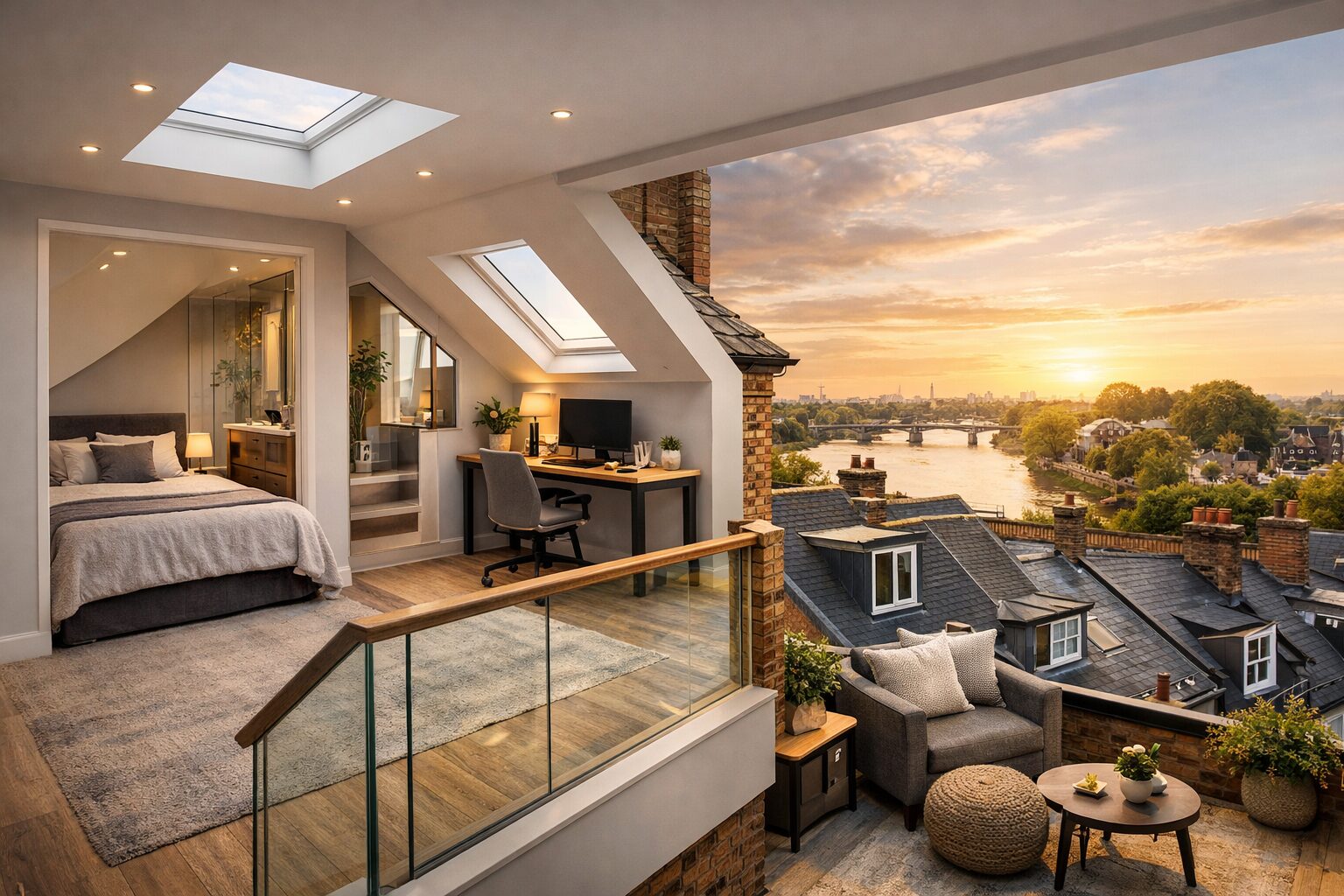
Can I customise the layout of a Loft Conversion London?
Yes, one of the biggest advantages of a Loft Conversion London is the ability to fully customise the layout according to your needs, lifestyle, and property structure. Homeowners can choose how to divide the space, whether it becomes a bedroom, office, bathroom, or multi-functional area. The layout is typically designed around roof shape, head height, and structural support points, allowing for both creativity and practicality. Experienced professionals like Idea Building work closely with homeowners to design layouts that maximise space and usability. Services such as loft conversions ensure that every design is tailored to the building’s structure and the client’s vision. Customisation also extends to lighting, storage, stair placement, and interior finishes, making the loft a truly personalised part of the home rather than a standard extension.
Key elements of loft layout customisation
Customising a loft layout involves several important design decisions, including room placement, storage solutions, and natural light optimisation. Built-in wardrobes, shelving, and under-eaves storage help maximise every inch of available space. Staircase positioning is also crucial, as it affects both accessibility and usable floor area. Homeowners often integrate services like interior design and extensions to achieve a seamless flow between floors. Additional upgrades, such as kitchen and bathroom renovation, can further enhance functionality. Inspiration from the blog and portfolio helps homeowners explore layout possibilities. Proper planning ensures the final design is practical, comfortable, and tailored to both current and future lifestyle needs.
What is the difference between a dormer and a hip-to-gable Loft Conversion London?
A dormer and a hip-to-gable Loft Conversion London differ mainly in how they alter the roof structure and the amount of additional space they create. A dormer conversion extends vertically from the existing roof slope, forming a box-like structure that increases headroom and usable floor space. It is one of the most common and cost-effective options in London, suitable for most property types. In contrast, a hip-to-gable conversion involves replacing the sloping side (hip) of a roof with a vertical wall (gable), significantly increasing internal space, especially in semi-detached or end-terrace houses. Both options are popular, but they serve different structural needs and design goals. Experts like Idea Building help homeowners choose the most suitable option based on property layout and budget. Services such as loft conversions ensure each type is designed for maximum efficiency and compliance.
Choosing between dormer and hip-to-gable designs
Choosing between a dormer and a hip-to-gable conversion depends on space requirements, planning permission, and property style. Dormer conversions are ideal for homeowners seeking additional headroom and natural light without major structural changes. Hip-to-gable conversions, however, provide a larger expansion and are better suited for homes with sloping side roofs that limit usable space. In some cases, both designs are combined to maximise internal volume. Homeowners often enhance these conversions with services like full renovation and interior design for a complete transformation. Additional structural and technical support through plumbing, electrical, and structural works ensures safety and functionality. Reviewing real examples in the portfolio section helps homeowners understand differences in design outcomes. Proper selection ensures the loft conversion delivers the best balance of space, cost, and long-term value for London properties.
Are Loft Conversion London Projects Disruptive to Daily Life?
Loft Conversion London projects can cause some level of disruption, but with proper planning and a professional team, the impact on daily life can be kept to a minimum. Most homeowners are surprised to learn that the majority of the work is carried out above existing living spaces, meaning ground-floor routines such as cooking, working from home, and relaxing can usually continue without major interruption. However, there will be periods of noise, dust, and restricted access to certain parts of the home, especially during structural changes like steel installation or roof alterations. Choosing an experienced contractor such as Idea Building helps ensure the process is well-managed and clearly scheduled.
Managing Noise, Dust, and Access During Construction
At the beginning of a Loft Conversion London project, scaffolding installation and material delivery can create short-term inconvenience around the property exterior. Internally, protective coverings and dust barriers are typically used to separate the construction zone from the rest of the home. Many companies offering loft conversion services also plan work in phases to reduce disruption during peak family hours. Homeowners can further minimise stress by discussing timelines with specialists from services and coordinating expectations early. While some noise from tools is unavoidable, it is usually limited to daytime hours. Regular communication with the project team, such as through updates from the Idea Building Blog, helps ensure the process remains smooth. You can also explore previous projects in their portfolio for a clearer idea of working conditions.
Overall, although some disruption is expected, a well-managed Loft Conversion London project is far less disruptive than many homeowners initially assume, especially compared to moving house or full property relocation.
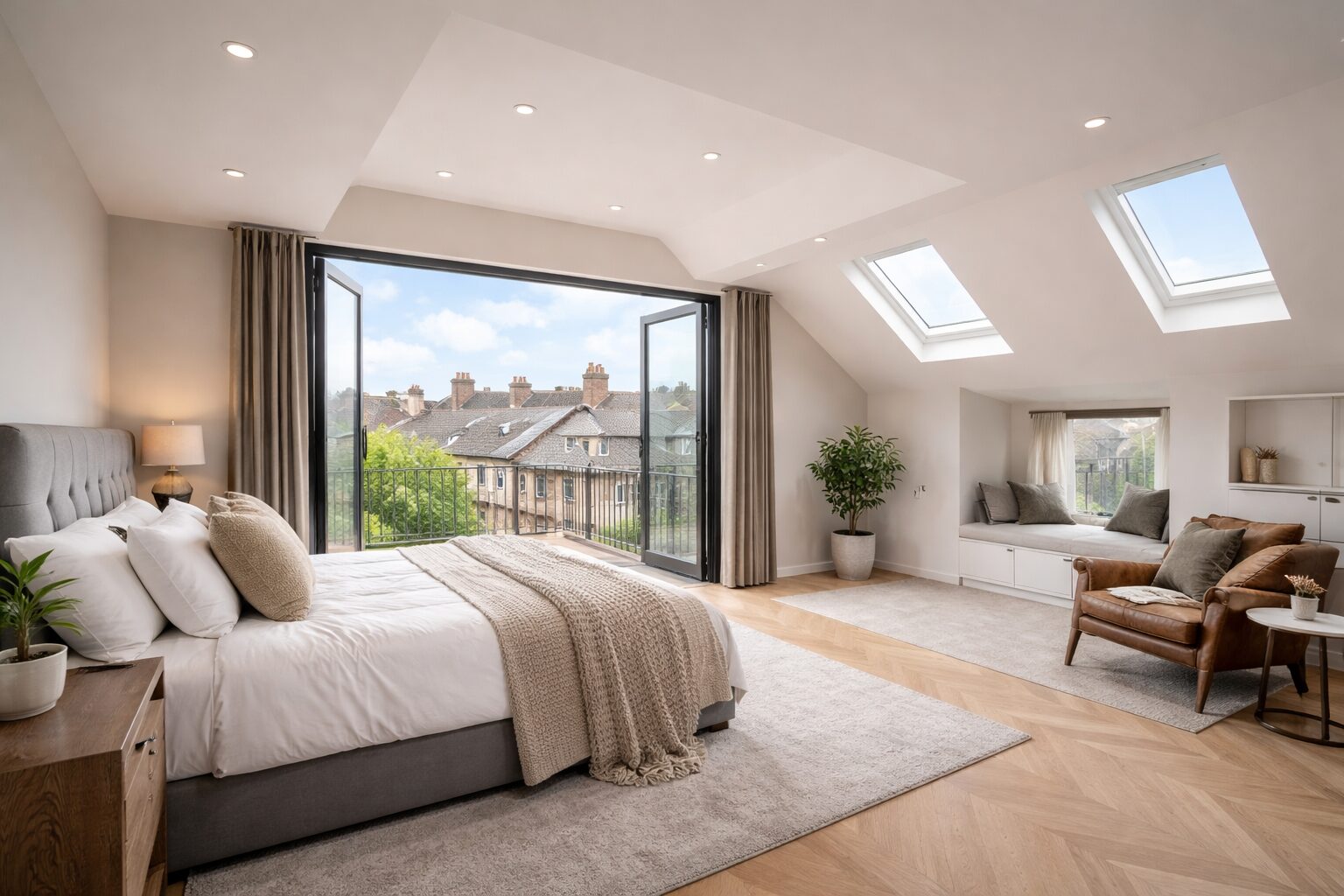
What Permissions Are Needed for Listed Properties for Loft Conversion London?
When planning a Loft Conversion London in a listed property, the approval process is more complex than standard homes due to the building’s historical and architectural significance. Listed buildings are protected under UK law, meaning any alterations that affect their character require special permission. In most cases, you will need Listed Building Consent in addition to standard planning permission. This ensures that changes to the structure, roofline, or internal layout do not negatively impact the building’s heritage value. Working with experts such as Idea Building can help streamline this process.
Understanding Listed Building Consent and Planning Requirements
For a Loft Conversion London project in a listed property, Listed Building Consent is the most critical approval. This is usually obtained from the local planning authority and may involve detailed architectural drawings, structural reports, and heritage impact assessments. In some cases, additional approvals such as planning permission or building regulations approval are also required. Specialists in full renovation projects often coordinate these applications on behalf of homeowners to ensure compliance.
It is also important to consider that even internal changes, such as adding insulation or modifying roof beams, may require approval. For guidance, homeowners can explore about us to understand the expertise behind the renovation team. Services like plumbing, electrical, and structural works may also need to be carefully planned to meet conservation standards. Consulting professionals early helps avoid delays and ensures all legal requirements are met before construction begins.
Additionally, staying informed through resources like the Idea Building Blog or reaching out via their contact page can help homeowners navigate the approval process with confidence. Social updates on Instagram and Facebook also provide real project insights.
How Do Stairs Get Added in a Loft Conversion London?
Adding stairs in a Loft Conversion London is one of the most important design and structural decisions, as it directly affects space, safety, and accessibility. Stairs must comply with UK Building Regulations, which means they need to be safe, properly angled, and positioned in a way that does not compromise the existing layout of the home. Professional designers from companies like Idea Building carefully assess available space before deciding on the most suitable staircase design.
Planning Stair Placement, Design, and Building Regulations
The process begins by identifying the best possible location for the stairs, often using areas such as hallways, landings, or unused cupboard space. In many Loft Conversion London projects, space-saving designs like spiral stairs or compact straight flights are considered when room is limited. However, comfort and safety always remain top priorities under UK building standards.
Structural adjustments are usually required, especially if load-bearing walls or ceiling joists need modification. This is where services like extensions or interior design play a key role in ensuring everything integrates seamlessly. Proper lighting, headroom clearance, and fire safety regulations must also be considered during the design phase.
Homeowners can view completed examples through the loft conversions page or explore broader renovation options via kitchen and bathroom renovation for inspiration. A well-planned staircase not only connects floors safely but also enhances the overall aesthetic of the home. Regular updates from Idea Building and its social platforms, like Instagram and Facebook, can help homeowners visualise different design possibilities before starting their own project.
Can a Loft Conversion London Include Storage Solutions?
A Loft Conversion London can absolutely include a wide range of smart storage solutions, making it one of the most practical ways to maximise unused space in a home. Modern loft designs are no longer just about creating an extra bedroom; they are also about improving functionality and organisation. With careful planning, even awkward roof angles and tight corners can be transformed into highly efficient storage areas. Working with a professional team such as Idea Building ensures that storage is integrated into the design from the very beginning rather than added as an afterthought. Many homeowners are surprised at how much usable space can be created through clever design choices.
Built-in Storage and Smart Space Utilisation
One of the most common storage features in a Loft Conversion London is built-in cabinetry fitted into eaves and sloped ceilings. These areas are often wasted in traditional designs but can be turned into drawers, wardrobes, or shelving. Custom joinery is especially popular in loft conversions as it allows homeowners to tailor storage to their exact needs. In addition, services like interior design help ensure that storage blends seamlessly with the overall aesthetic of the room.
Homeowners can also explore wider renovation ideas through services or view completed projects in the portfolio for inspiration. Some lofts even incorporate hidden storage under staircases or within partition walls to maintain a clean, clutter-free look. These features not only improve practicality but also increase property appeal and value. For personalised advice, the team at Idea Building provides tailored solutions, while updates and design ideas are regularly shared on Instagram and Facebook.
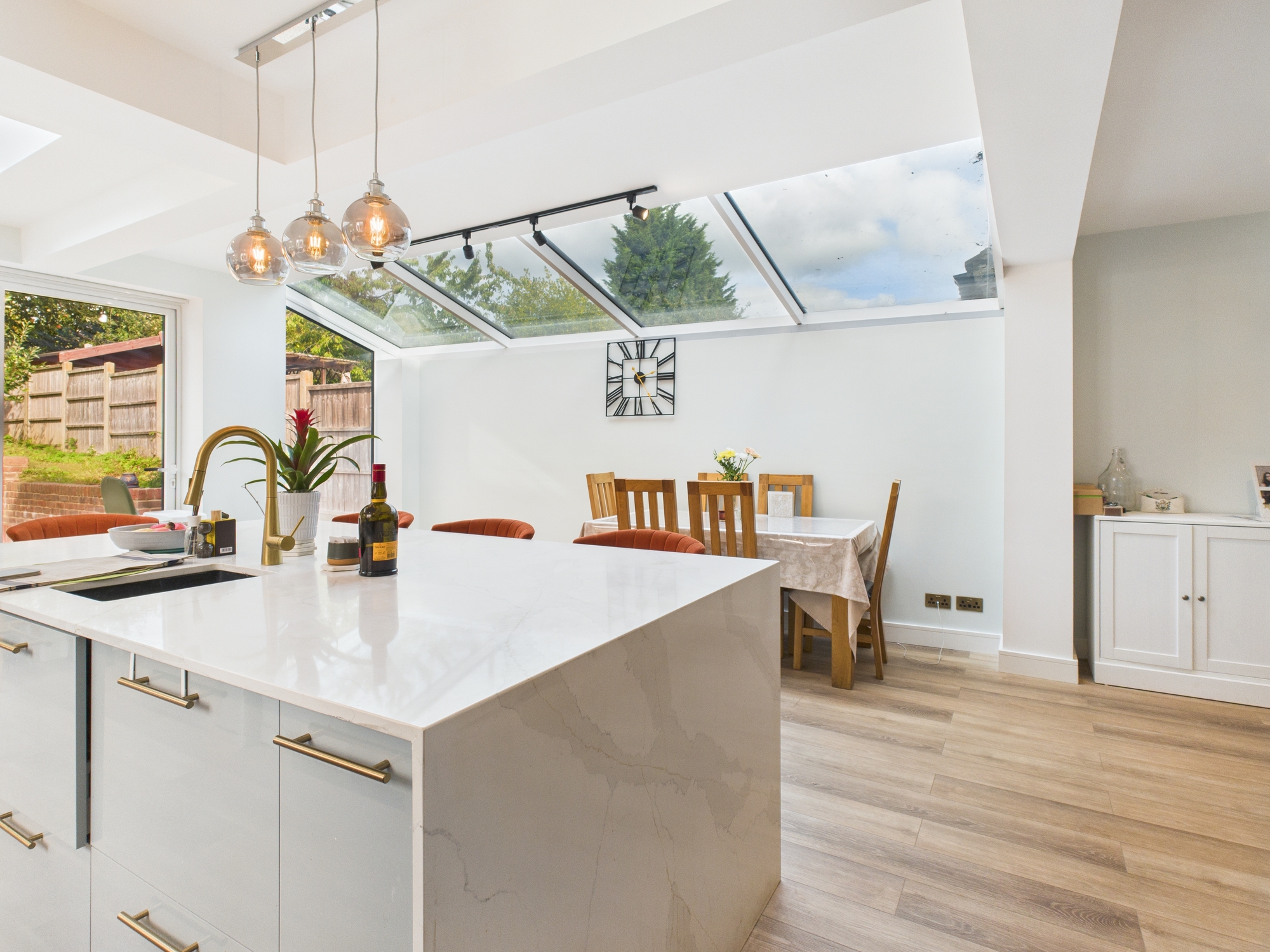
What Are the Common Challenges in a Loft Conversion London Project?
A Loft Conversion London project can bring significant benefits, but it also comes with several common challenges that homeowners should be aware of before starting. One of the main issues is limited space, as not all lofts have sufficient head height or structural capacity for conversion. Another challenge involves meeting strict UK building regulations, which cover everything from fire safety to insulation standards. Unexpected structural issues, such as weak roof timbers or outdated wiring, can also increase costs and timelines. Choosing an experienced company like Idea Building helps reduce these risks through early planning and professional assessment.
Structural, Planning, and Design Challenges
Structural alterations are often the most complex part of a Loft Conversion London project, especially when steel beams or roof modifications are required. In some cases, planning permission may also be needed, particularly in conservation areas or for significant roof changes. These processes can take time and may delay construction if not managed properly. Homeowners considering full renovation projects often face similar challenges when integrating multiple services such as plumbing, electrical, and structural works.
Design limitations can also present difficulties, particularly when trying to maximise both space and natural light. Poor layout planning can result in awkward rooms or wasted corners, which is why professional input from interior design experts is essential. Regular communication with specialists ensures that problems are identified early and resolved efficiently. Homeowners can also explore guidance through the Idea Building Blog or get direct support via the contact page. Social platforms like Instagram and Facebook also provide real examples of how challenges are successfully managed in real projects.
Is a Loft Conversion London Suitable for Modern Family Living?
A Loft Conversion London is highly suitable for modern family living, offering a practical way to create additional space without the need to move house. As families grow, the demand for extra bedrooms, home offices, or play areas increases, and a loft conversion provides a cost-effective solution. It allows homeowners to maximise existing property space while maintaining their current location, school catchment areas, and community ties.
Flexible Living Spaces for Growing Families
One of the key advantages of a Loft Conversion London is its flexibility. This adaptability makes it ideal for changing household requirements over time. Many families also combine loft conversions with extensions or kitchen and bathroom renovations to fully modernise their homes.
Energy efficiency and natural lighting are also important considerations in modern designs. Skylights and dormer windows help create bright, comfortable environments suitable for daily living. Homeowners can explore ideas through loft conversions or broader inspiration on services. Completed projects available in the portfolio demonstrate how versatile loft spaces can be for families.
For more insights, the Idea Building website and its blog provide helpful guidance, while updates shared on Instagram and Facebook showcase real transformations that support modern family lifestyles.
How do I maintain a Loft Conversion London after completion?
Maintaining a loft conversion is essential to ensure it remains safe, comfortable, and valuable for years to come. After completing a Loft Conversion London, regular upkeep helps protect the structure, insulation, and interior finishes from wear and environmental damage. One of the most important steps is to carry out seasonal inspections of the roof, windows, and insulation to identify any early signs of leaks or condensation. Keeping ventilation clear also prevents moisture build-up, which is common in upper-floor spaces. It is also advisable to check fire safety features such as smoke alarms and escape routes to ensure ongoing compliance with UK building standards. Regular cleaning of skylights and Velux windows helps maintain natural light levels and prevents dirt accumulation that can reduce brightness.
Structural Care, Cleaning and Professional Support
Beyond basic cleaning, homeowners should consider periodic professional inspections, especially for electrical systems, plumbing connections, and structural elements installed during the Loft Conversion London project. Using expert services such as Plumbing, Electrical, and Structural Works ensures long-term safety and performance. If any upgrades or repairs are needed, working with experienced contractors from Idea Building can help maintain quality standards. Keeping your loft well-maintained not only preserves its appearance but also protects the investment made in your home. You can explore more services through the Services page or learn about complete solutions like Full Renovation. Regular attention ensures your loft remains a functional and stylish part of your property. For updates and inspiration, follow Instagram and Facebook, or browse the latest insights on the Blog.
What lighting options work best in a Loft Conversion London?
Lighting plays a crucial role in enhancing both the comfort and functionality of a Loft Conversion London. Since loft spaces often rely on roof-based structures, the right lighting design can transform a potentially dark area into a bright and inviting living space. Natural light should always be prioritised first, with skylights, roof windows, and dormer windows being popular choices. These options allow daylight to flood the room, making it feel more spacious and energy-efficient. Complementing natural light with artificial lighting ensures usability throughout the day and night. LED spotlights are commonly used due to their energy efficiency and modern appearance, while pendant lights can add character and style to bedrooms or lounges.
Layered Lighting and Design Integration
A well-planned lighting strategy in a Loft Conversion London should include layered lighting, combining ambient, task, and accent lighting for maximum flexibility. Ambient lighting provides overall brightness, while task lighting supports activities such as reading or working. Accent lighting, on the other hand, highlights architectural features like beams or sloped ceilings. Integrating lighting design early in the project is key, which is why many homeowners collaborate with experts in Interior Design to achieve the best results. Coordinating lighting with renovation plans, such as Kitchen and Bathroom Renovation or extensions, can also ensure consistency across the home. For inspiration, homeowners often explore Loft Conversions or review completed projects in the Portfolio. A balanced lighting approach not only improves usability but also enhances the overall aesthetic appeal of your loft space.
Can a Loft Conversion London be combined with a home renovation?
Yes, a Loft Conversion London can be seamlessly combined with a broader home renovation, and this approach is becoming increasingly popular among homeowners looking to maximise both space and property value. Integrating a loft conversion with a full renovation allows for a consistent design flow throughout the property, ensuring that interiors feel unified rather than separate. This is especially beneficial in older homes where layouts may need modernisation. By combining projects, homeowners can also streamline construction timelines and potentially reduce overall disruption compared to completing works separately. It is important, however, to plan carefully with experienced professionals to ensure structural compatibility and design cohesion.
Planning Integration and Maximising Property Value
When combining a Loft Conversion London with wider renovation work, coordination is key. Professional builders often recommend integrating upgrades such as plumbing, electrical systems, and insulation improvements at the same time to improve efficiency. Working with specialists like Idea Building ensures that both loft and ground-floor renovations are aligned under one cohesive plan. Many homeowners also choose to pair loft projects with Full Renovation or targeted upgrades like Extensions to significantly enhance usable space. This integrated approach can dramatically increase property value while improving everyday functionality. More details about combined services can be found on the About Us page or through the main Contact section for personalised guidance. When executed properly, combining a loft conversion with renovation work creates a modern, efficient, and highly desirable living environment.
What design trends are popular for Loft Conversion London in 2026?
Modern Loft Conversion London design trends in 2026 focus strongly on simplicity, light, and multifunctional living. Homeowners increasingly prefer spaces that feel like a natural extension of the home rather than an “added extra.” One of the biggest trends is light-first design, with larger roof windows, skylights, and dormers being used to maximise natural daylight and reduce the need for artificial lighting during the day. Neutral colour palettes such as warm whites, soft greys, and natural wood finishes are also dominant, helping create calm, spacious environments even in compact lofts. Another growing trend is built-in storage and bespoke joinery, which makes use of awkward eaves and sloped ceilings efficiently while maintaining a clean, clutter-free look. Many designs also incorporate dual-purpose rooms, such as home offices that convert into guest bedrooms, reflecting the demand for flexible living spaces in urban homes.
Sustainable Living and Smart Loft Design
In the second half of 2026, design trends, sustainability and smart home integration are becoming essential features of a Loft Conversion London. Homeowners are also embracing integrated LED lighting systems and discreet architectural lighting that enhances angled ceilings and structural features. To achieve this level of quality, many homeowners work with specialists, such as interior designers, or complete projects through Full Renovation for a fully coordinated home upgrade.
Is soundproofing included in a Loft Conversion London?
Yes, soundproofing is typically included as part of a professional Loft Conversion London, as it is required to meet UK Building Regulations and ensure comfort for everyday living. Because loft spaces are directly above existing rooms, proper acoustic insulation is essential to reduce noise transfer between floors. Most conversions include soundproofing within the floor structure of the loft, using materials such as acoustic mineral wool, sound-absorbing boards, and resilient bars to minimise impact noise like footsteps. This not only improves comfort for people using the loft but also reduces disturbance for occupants in the rooms below.
Advanced Acoustic Solutions and Compliance
In the second half of a Loft Conversion London, more advanced soundproofing methods are often used, depending on the property type and usage needs. These can include floating floors, acoustic underlays, and insulated stud walls to further reduce airborne noise, such as voices or music. Building regulations require that converted lofts meet specific acoustic performance standards, ensuring a comfortable living environment across all floors. Professional builders often integrate soundproofing alongside structural and electrical works to ensure compliance and efficiency. Services such as Plumbing, Electrical, and Structural Works ensure that all technical elements are coordinated without compromising insulation layers. Many homeowners also combine soundproofing upgrades with Kitchen Bathroom Renovation or full home improvements for consistent acoustic performance across the property. To learn more about complete solutions, you can explore Services or connect through the Contact page for expert guidance.
How do I ensure ventilation in a Loft Conversion London?
Ensuring proper ventilation in a Loft Conversion London is essential for maintaining air quality, preventing damp, and improving overall comfort. Since loft spaces are more exposed to external temperature changes, they are more prone to condensation if ventilation is not properly designed. The most effective approach is to combine natural and mechanical ventilation systems.
Building Regulations and Smart Airflow Design
In the second half of a Loft Conversion London, ventilation planning becomes a key compliance requirement under UK building regulations. Approved Document F requires that loft spaces have sufficient background and purge ventilation to maintain healthy indoor air levels, especially in bedrooms and living spaces. Modern designs often integrate passive ventilation systems that work alongside insulation layers to prevent overheating in summer and condensation in winter. Working with professionals through Plumbing, Electrical, and Structural Works ensures that ventilation systems are properly integrated during construction. For larger projects, combining ventilation planning with Extensions or Full Renovation helps maintain consistent airflow throughout the entire home. More details are available via About Us or Idea Building.
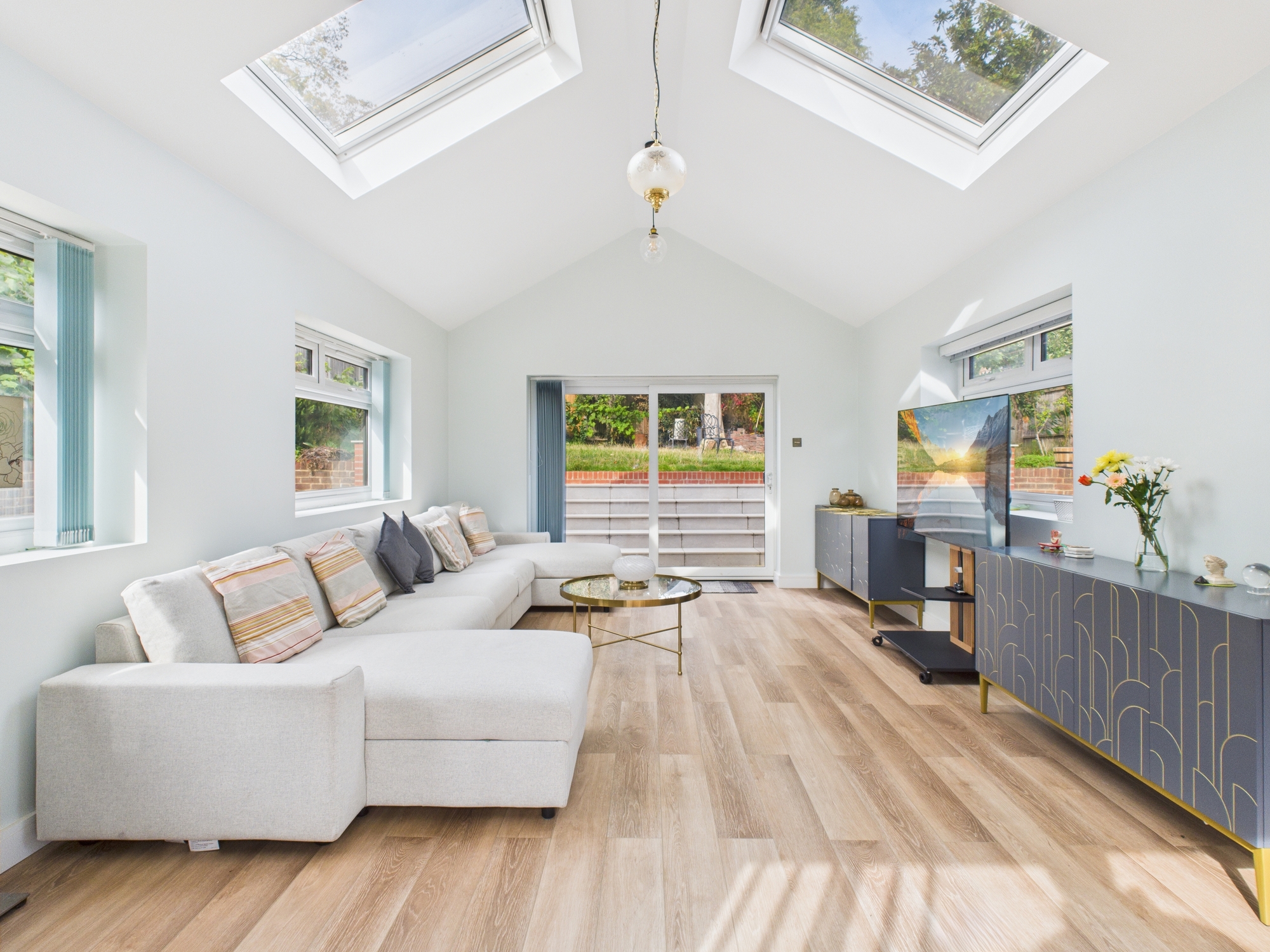
Why is a Loft Conversion London a smart investment for homeowners?
A Loft Conversion London is widely considered one of the smartest home investments because it significantly increases both living space and property value without requiring a move. This type of upgrade typically offers a strong return on investment, as properties with additional usable space are far more attractive to buyers and tenants. It also allows homeowners to maximise the potential of their existing property without losing garden space or changing their location, making it a practical and cost-effective solution.
High ROI, Lifestyle Benefits and Market Demand
In the second half of a Loft Conversion London, the financial benefits become even clearer when considering long-term value. Loft conversions also reduce the need for costly house moves, stamp duty, and relocation stress. To maximise investment value, many homeowners combine loft projects with Extensions or full property upgrades through Full Renovation.